
Less manual activity
Export, verification and data entry routines are now executed automatically, at the defined time.

Digital Platforms
Industrial data integration to connect operational systems and information
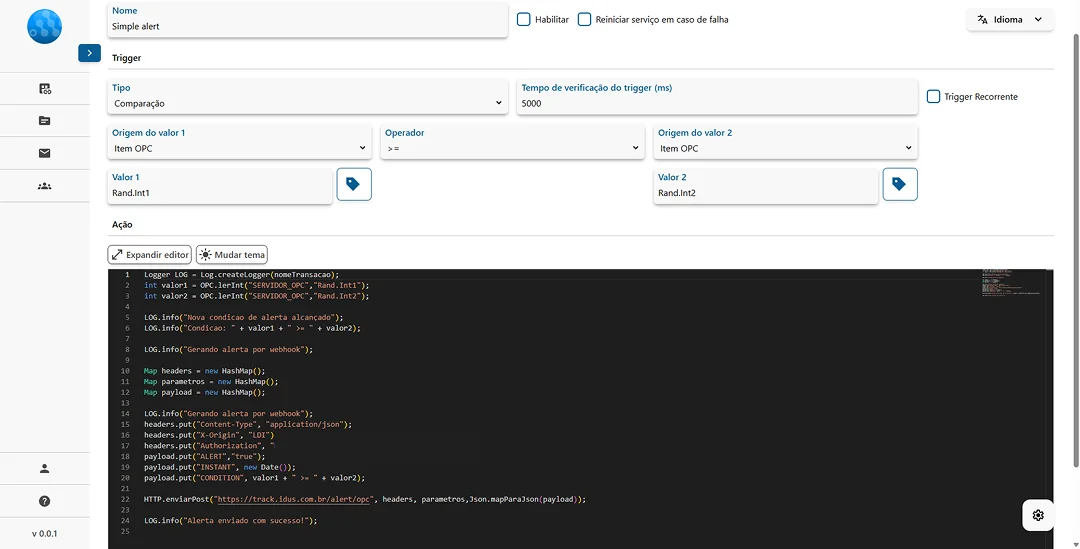
Connect different data sources, standardize information and automate routines that today depend on spreadsheets and manual work.
Context
Process data, corporate systems, databases and spreadsheets rarely speak the same language. When information needs to move between these environments, the work falls on people exporting files and checking values.
LDI creates extraction, transformation and loading flows that run these routines on a scheduled, traceable basis.
Benefits
Export, verification and data entry routines are now executed automatically, at the defined time.
Industrial and corporate environments now exchange information without improvised intermediaries.
Units, formats and naming conventions are handled within the flow, avoiding discrepancies between reports.
Scheduled background executions keep databases and reports updated without depending on someone starting the process.
Every execution is logged, which makes it easier to identify when and why a piece of data stopped arriving.
Interactive scenario
Watch an industrial source generating records continuously under different naming conventions. Follow how LDI standardises the data and how that standardisation turns technical tags into structured information that is easier to contextualise.
Records received
0
Waiting for read
0
Standardised records
0
Next read
3 s
Valid records written under different naming conventions.
Waiting for the first records...
Interprets and synchronises source records into a standardised structure at the destination.
The same source records, now inside a common structure.
No standardised records yet.
Illustrative scenario with simulated data, used to represent industrial data synchronisation and standardisation challenges.
In focus
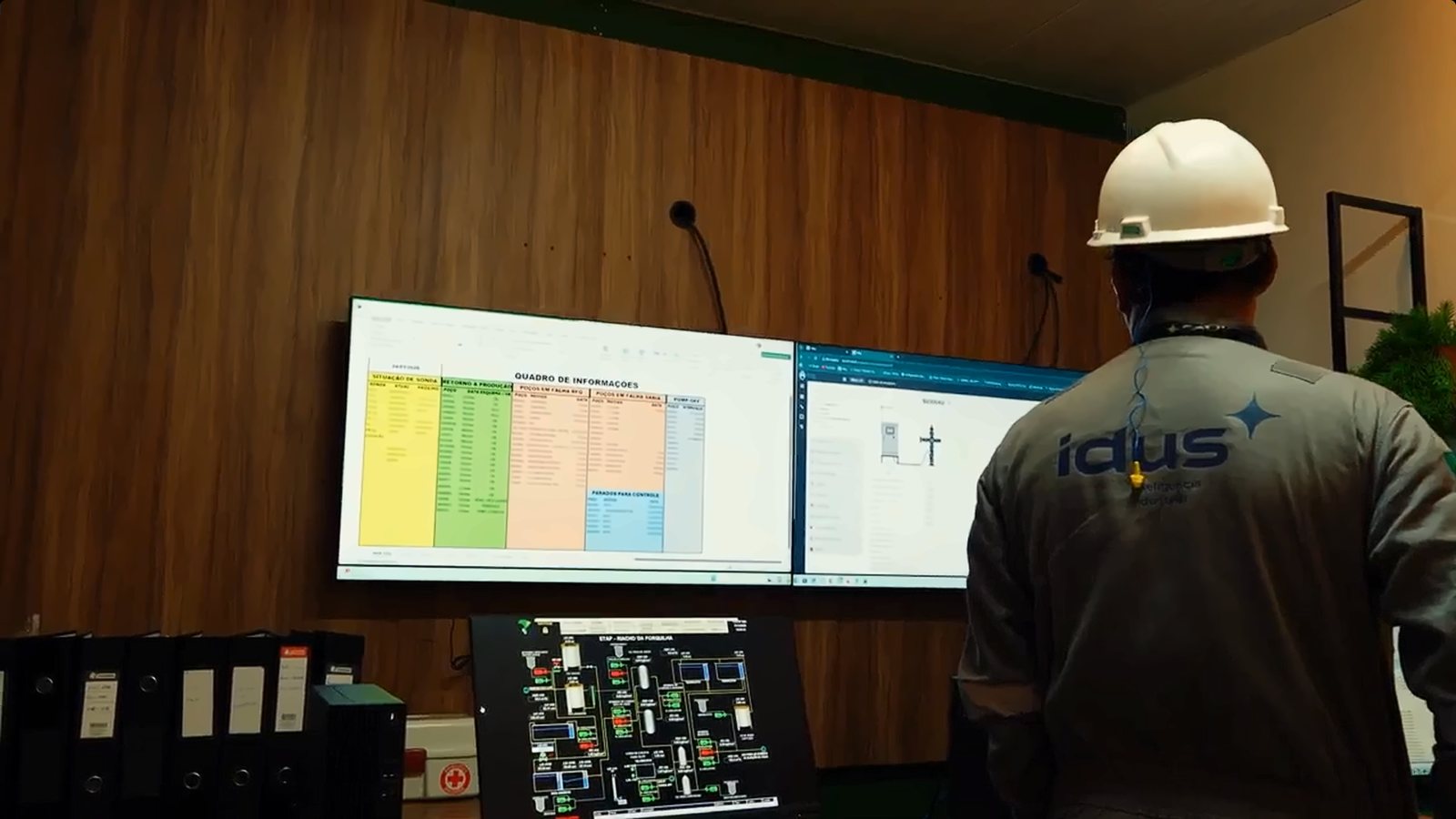
Instead of requiring a replacement of current systems, LDI works on top of them. Programmable scripts allow handling specific cases that closed integration tools normally do not cover.
In focus
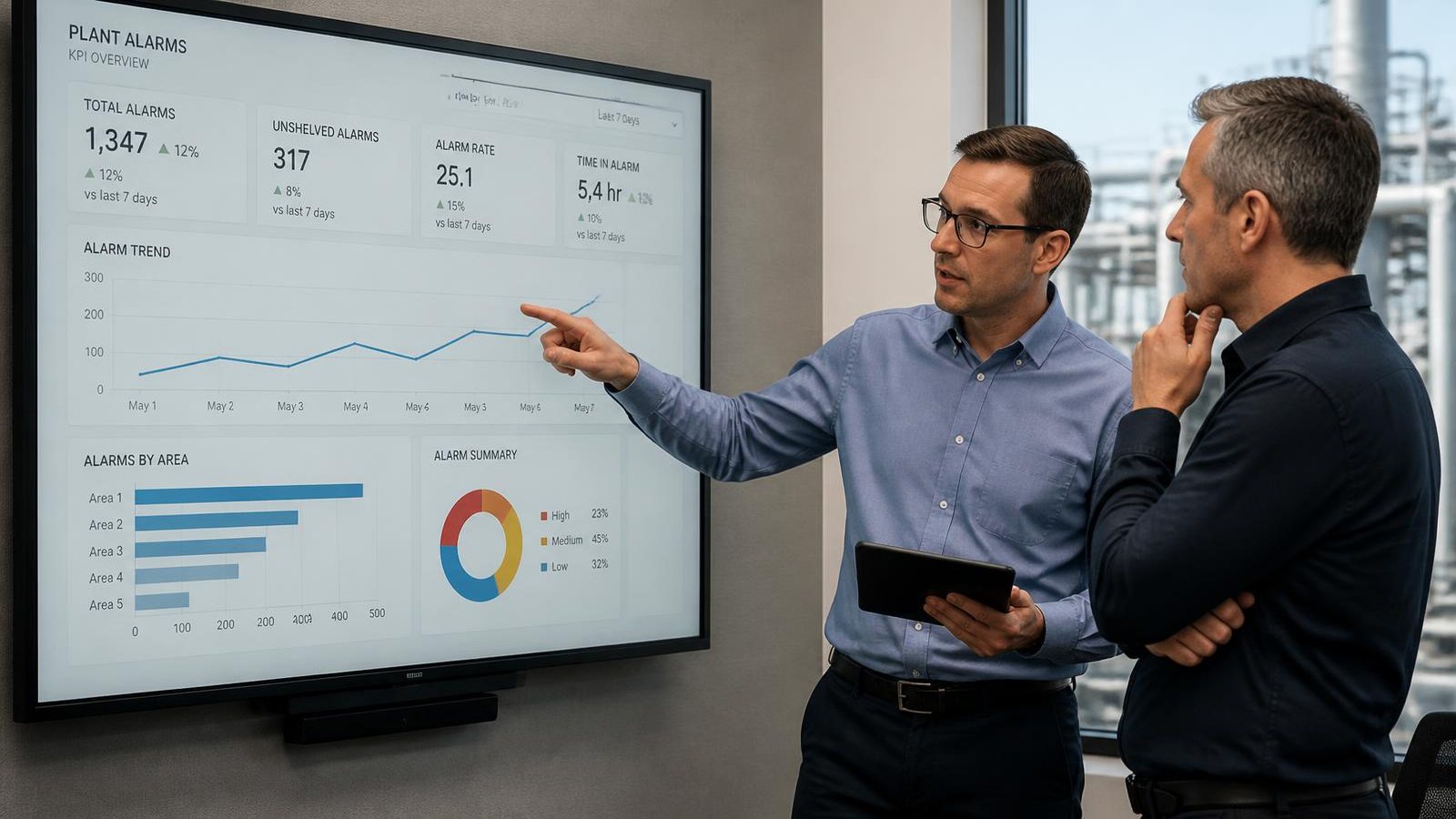
Report routines can be scheduled and distributed automatically, with the same calculation criteria on every run.
Capabilities
Building complete flows between source and destination, with data handling along the way.
Connection with databases, industrial systems and corporate applications.
Scheduled routines that run in the background, without manual operation.
Room for specific rules when standard handling is not enough.
Other features
Application
LDI is configured with the data sources, transformation rules and desired destinations. From there, the routines run at the defined times, feeding databases, reports and systems with already-processed information.
Business value
Much of technical teams' time is usually spent on data collection and verification tasks. Automating these paths frees up that time for analysis and reduces the chance of information arriving wrong or late to an operational or regulatory report.
Talk to the IDUS team about the integrations your operation needs and how to structure them.
Talk to IDUSKeep exploring
Monitoring and control of onshore wells
Track and operate your onshore wells in real time, without depending on field trips.
Explore MAPIndustrial alarm management
Alarm health indicators on top of any supervisory system. Out of the spreadsheet, into ISA-18.2.
Explore LAMIntelligence applied to industrial data
Data science platform for industry. It centralizes scattered information and generates specialized alerts.
Explore Camális